
You have no items in your shopping cart.
.png)
Metabolism & Cellular Stress Guide
Oxidative Stress Markers
A comprehensive guide to ROS imbalance, lipid peroxidation, and the essential biomarkers used to quantify oxidative cellular damage.
Oxidative stress is a crucial factor in various physiological and pathological processes, including ageing, cancer progression, neurodegenerative diseases, and cardiovascular disorders.
In biotechnology and biomedical research, the study of oxidative stress markers is vital for understanding these processes and developing therapeutic strategies. Oxidative stress occurs when there is an imbalance between the production of reactive oxygen species (ROS) and the body's ability to detoxify them, leading to severe cellular damage.
To measure and analyze oxidative stress accurately, researchers rely on a diverse range of biomarkers such as malondialdehyde (MDA) for lipid peroxidation, 8-hydroxy-2'-deoxyguanosine (8-OHdG) for DNA damage, and protein carbonyls.
Products for Research in Oxidative Stress
Explore our highly validated assay kits, recombinant proteins, and antibodies targeting the major pathways of oxidative stress and antioxidant defense.
Malondialdehyde (MDA)
A widely recognized marker of lipid peroxidation. An increase in free oxygen radicals can cause excessive lipid peroxidation, damaging cell membranes and causing oxygen damage in tissues.
 Lipid Peroxidation (MDA) Assay Kit Data
8-OHdG (8-hydroxy-2'-deoxyguanosine)
A critical, universally accepted marker of oxidative DNA damage resulting from ROS attack on guanine bases.
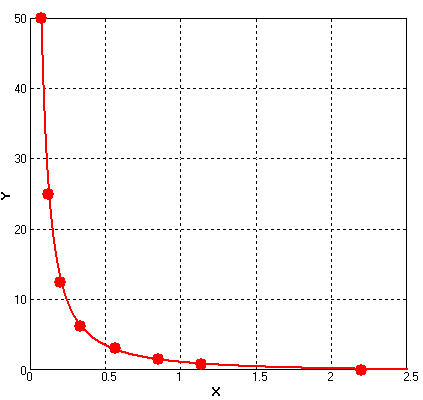 Mouse 8-OHdG ELISA Kit Standard Curve
Glutathione (GSH / GSSG)
A critical intracellular antioxidant that protects cells from oxidative damage. The ratio of reduced (GSH) to oxidized (GSSG) glutathione is a primary indicator of cellular health.
Glutathione Reductase Microplate Assay Kit →
Glutathione Peroxidase Microplate Assay Kit →
Glutathione S-transferase Microplate Assay →
Total Glutathione Assay Kit →
General Oxidized Glutathione (GSSG) ELISA →
Mouse Oxidized Glutathione (GSSG) ELISA →
Glutathione Oxidized (GSSG) Colorimetric Assay →
 Glutathione Reductase Microplate Assay Kit Data
Superoxide Dismutase (SOD)
An essential metalloenzyme that serves as the frontline defense against ROS by catalyzing the dismutation of highly reactive superoxide radicals into oxygen and hydrogen peroxide.
 Superoxide Dismutase Assay Kit Data
Heme Oxygenase-1 (HO-1)
A stress-inducible enzyme that plays a profound protective role in oxidative stress by degrading pro-oxidant heme into biliverdin, carbon monoxide, and free iron.
 Heme Oxygenase-1 Antibody Staining
Nrf2 (Nuclear factor erythroid 2-related factor 2)
The master transcription factor that regulates the expression of antioxidant proteins and detoxifying enzymes. It protects against oxidative damage triggered by cellular injury and inflammation.
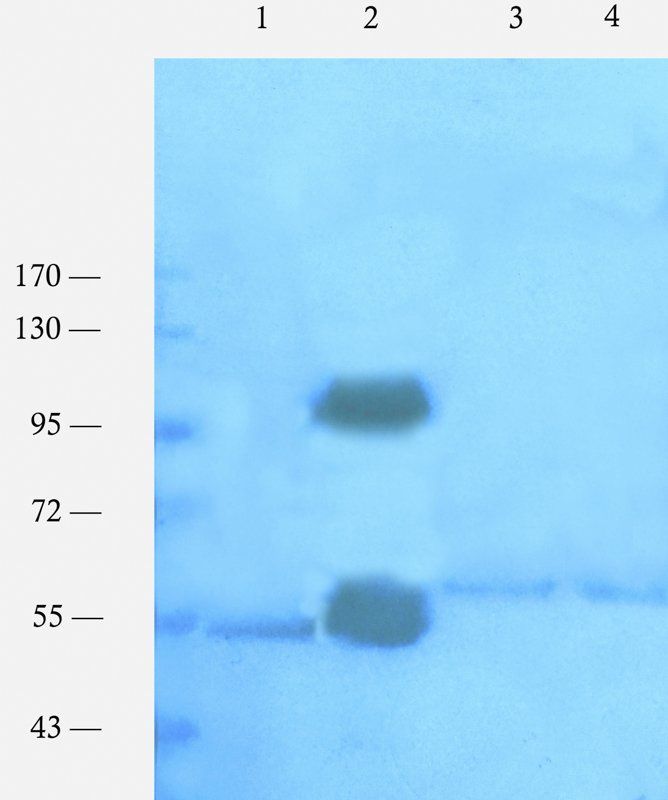 Nrf2 Antibody IHC Staining
Thioredoxin (TRX) Protein
A small redox-active protein that plays a crucial role in reducing oxidative stress within cells by facilitating the reduction of other proteins via cysteine thiol-disulfide exchange.
 TRX Recombinant Protein (SDS-PAGE)
Resveratrol
A highly characterized natural phenol and small molecule known for its robust antioxidant properties. It has been extensively studied for its potential benefits in anti-ageing, cancer, and cardiovascular research.
 RVT (Resveratrol) ELISA Kit Standard Curve
By incorporating these advanced tools into your research, you can significantly enhance the accuracy and reliability of your oxidative stress studies. Whether you are investigating the role of ROS in disease pathogenesis or exploring potential therapeutic interventions, our catalog provides the essential resources needed to achieve your goals.
Contact Our Scientific Support Team