
You have no items in your shopping cart.
Small Molecules & Biochemicals
Explore Biorbyt's portfolio of research-grade small molecules and biochemical reagents for pathway modulation, target validation and functional biology.
Browse inhibitors, activators, agonists, antagonists, antibiotics, and toxins for cell signaling, molecular biology and drug discovery research.
.jpg)
Selective small molecules for blocking enzymes, kinases, receptors and signaling pathways to support pathway analysis, target validation and mechanism-of-action studies.
Bioactive compounds that activate receptors, enzymes and signaling pathways for functional, pharmacological and cell-response studies.
Research compounds designed to block receptor activity and biological responses for receptor pharmacology and signaling-mechanism studies.
Antibiotics for maintaining engineered cell systems, selecting resistant cells and supporting molecular biology workflows.
Small Molecules for Pathway Modulation and Functional Research
Small molecules and biochemical reagents give researchers a practical way to alter enzyme, receptor and signaling activity with control over concentration and exposure time. They are widely used to investigate pathway dependence, compare biological responses, validate experimental targets and develop reproducible cell-based or biochemical assays.
Biorbyt's portfolio brings together inhibitors, activators, agonists, antagonists, antibiotics and toxins for cell signaling, molecular biology and drug-discovery research. Browse by mechanism when the target is known, or search by product name, catalogue number or CAS number when a specific compound is required.
Control pathway activity
Use inhibitors or activators to reduce or increase selected signaling events and assess pathway-dependent cellular responses.
Compare pharmacological mechanisms
Evaluate agonists and antagonists in receptor-focused studies, functional assays and mechanism-of-action experiments.
Support target validation
Combine pharmacological modulation with molecular or protein-based readouts to strengthen conclusions about target function.
Featured Small Molecules
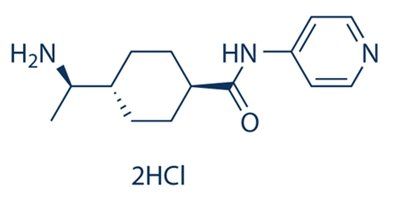
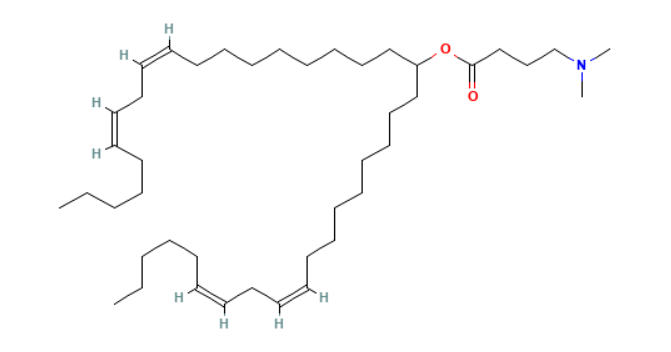
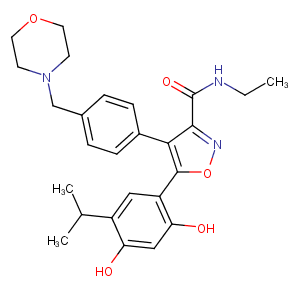
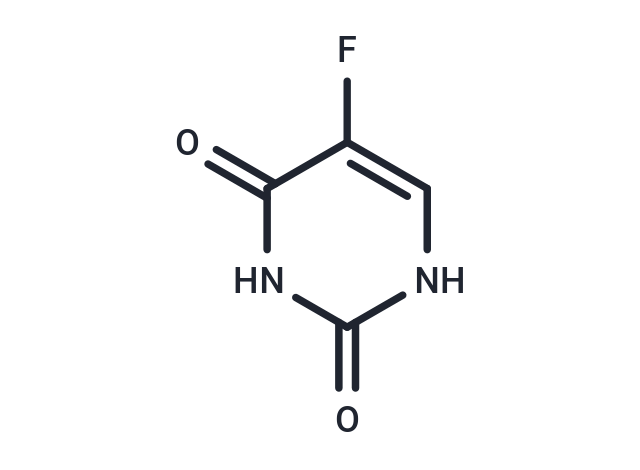
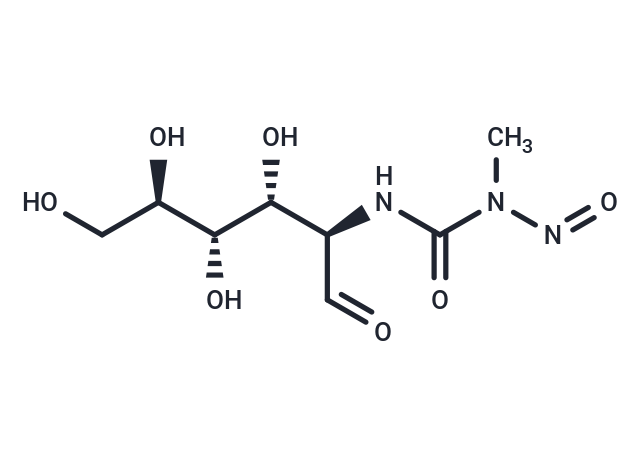
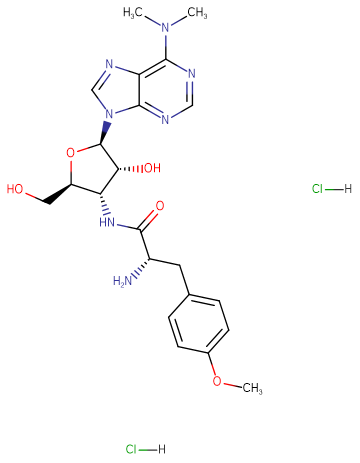
Explore selected compounds covering widely studied signaling pathways, pharmacological targets and cell selection workflows. Products with Biorbyt literature references are marked in the top-right corner. Click a product image or catalogue number to view the product page.
.png)

How to Select a Small-Molecule Research Reagent
Product selection should be based on the biological question, target mechanism and assay conditions rather than the compound name alone. Review the product page and supporting documentation before planning an experiment.
1
Define the target and desired effect
Decide whether the experiment requires inhibition, activation, receptor agonism, receptor antagonism, selection pressure or another functional effect.
2
Review potency and selectivity
Compare reported activity, target selectivity and relevant assay context to determine whether a compound matches the intended research model.
3
Check solubility and assay compatibility
Confirm the recommended solvent, preparation method, storage requirements and compatibility with cells, enzymes, detection systems and controls.
4
Plan controls and a dose-response range
Include suitable vehicle and biological controls, and test a concentration range to distinguish specific activity from non-specific or cytotoxic effects.
Need Help Choosing a Small Molecule?
Contact Biorbyt's technical support team for guidance on compound selection, solubility, assay compatibility and experimental applications.
Small Molecule Research FAQs
What is the difference between an inhibitor and an antagonist?
An inhibitor reduces the activity of an enzyme, protein or biological process. An antagonist binds to a receptor and reduces or blocks the response produced by an agonist. The most appropriate category depends on the target and experimental model.
How should I choose a working concentration?
Start with product-specific activity information and published assay conditions when available. A dose-response experiment with suitable controls is recommended because effective concentrations can vary by cell type, target abundance and exposure time.
Why are solubility and solvent compatibility important?
Incomplete dissolution can change the delivered concentration and reduce assay reproducibility. Confirm the recommended solvent and ensure the final vehicle concentration is compatible with the assay and control samples.
Can small molecules be used in both cell-based and biochemical assays?
Many compounds are suitable for one or both formats, but compatibility is product-specific. Check the product description, application information and supporting documentation before use.
Search by catalogue number, product name or CAS number